15 Smart Haircut Ideas for Men With Big Ears That Balance
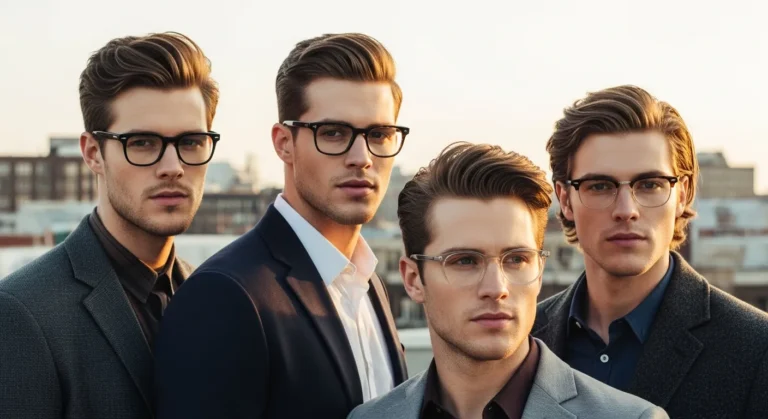
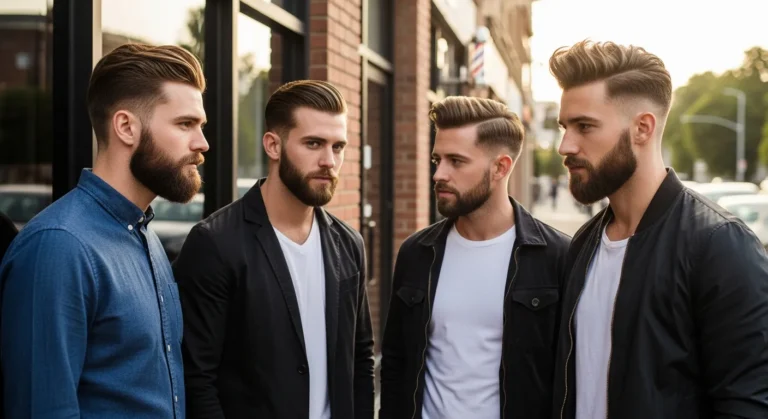
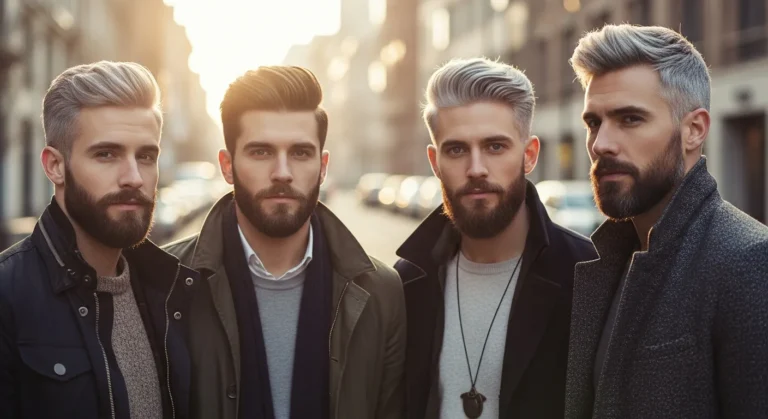
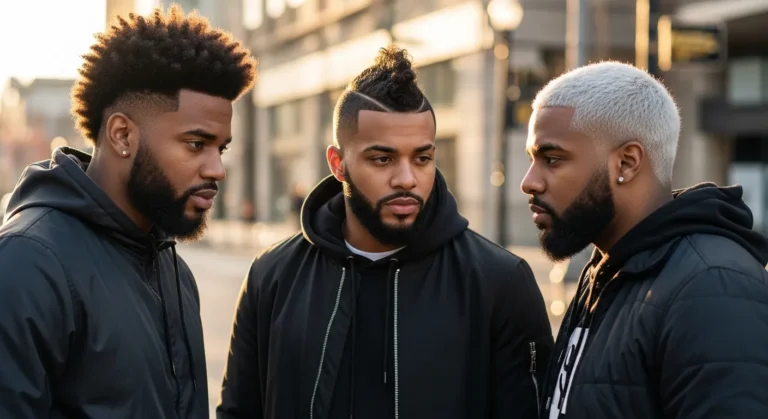
Big ears are more common than people think, and the right haircut can completely change how balanced your face looks. The trick isn’t hiding your ears, it’s creating smart visual balance with volume, texture, and movement so the attention shifts naturally to the hairstyle instead.
The styles below are carefully chosen to add structure on top, soften the sides, and keep everything proportional. Each idea is modern, wearable, and easy to ask for at the barber without sounding complicated.
1. Textured Flow Layers
Soft flowing layers instantly shift attention upward, creating a balanced silhouette that naturally minimizes ear prominence. The texture adds movement while the longer sides slightly graze the ears, making everything look intentional, relaxed, and stylish.
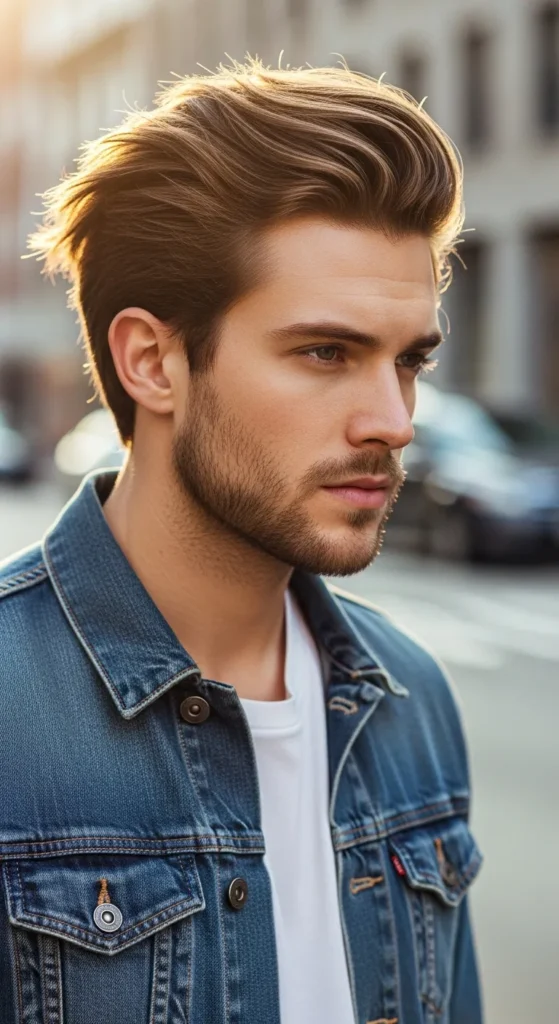
Barber Suggestion: Ask your barber to point-cut the layers instead of blunt cutting them. Point cutting keeps the hair light and airy, so it flows naturally and doesn’t collapse around the ears.
2. Soft Curtain Sweep
A soft curtain sweep adds forward movement that frames the face and draws attention toward the center instead of the ears. The gentle drape around the temples creates a natural balance that feels stylish without looking overly styled.

Barber Suggestion: Use a lightweight styling cream rather than wax. Cream keeps the curtain soft and flexible, preventing the hair from separating and exposing the ears too much.
3. Modern Shag Volume
The modern shag works beautifully for balancing ears because its messy layers create width and volume around the head. The controlled chaos makes the ears blend into the overall texture rather than standing out.

Barber Suggestion: Ask for razor layering around the crown. It removes bulk while keeping movement, helping the shag fall naturally around the ears instead of puffing out awkwardly.
4. Side Sweep Taper
This smart cut combines a gentle taper with a strong side sweep on top. The volume across the forehead shifts the visual weight of the haircut, helping the ears appear smaller and less dominant.
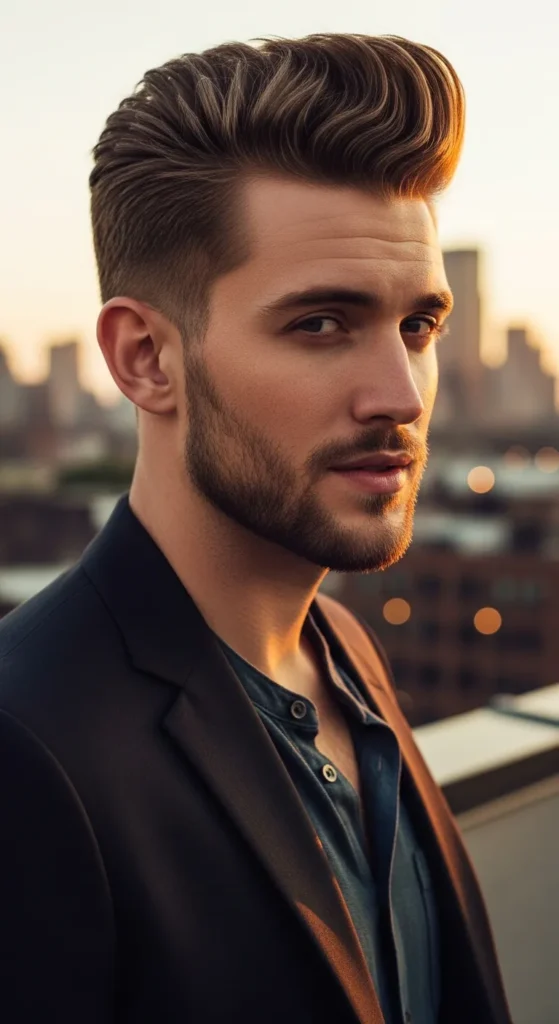
Barber Suggestion: Blow dry the top diagonally using a vent brush. The diagonal lift builds natural volume that visually balances wider ear areas.
5. Broken Texture Crop
Instead of a tight crop, broken texture adds small irregular layers that create dimension around the head. This textured surface breaks up the outline of the ears, making the overall look feel balanced and modern.
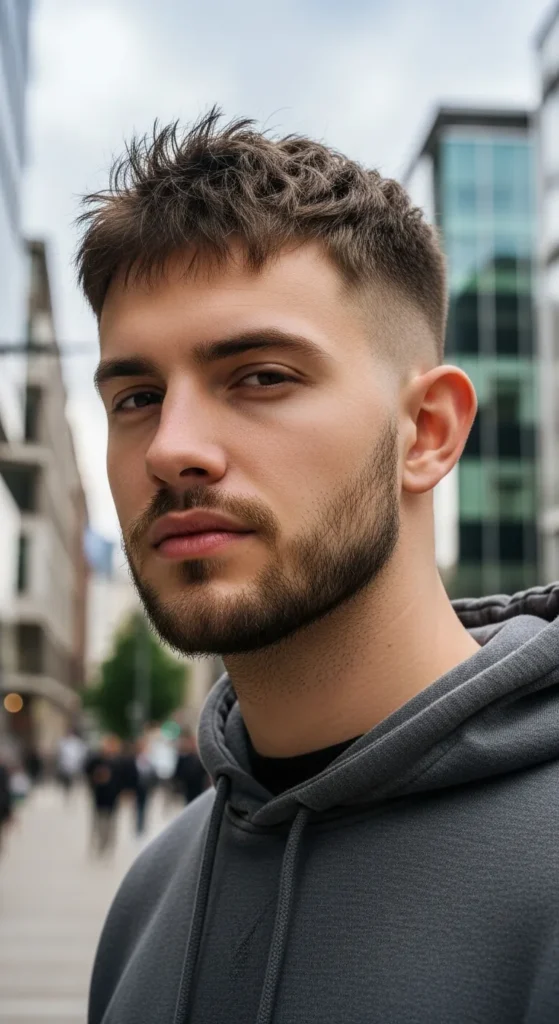
Barber Suggestion: Use matte clay only on the top layers, not the sides. This keeps texture where it’s needed while allowing the sides to stay natural and softly cover the ear edges.
6. Feathered Medium Layers
Feathered layers add soft outward movement that frames the face while lightly brushing the ear area. This technique subtly disguises ear width and creates a polished, balanced appearance.

Barber Suggestion: Ask for feathering with thinning scissors near the sideburn area. This keeps the hair soft so it bends around the ears naturally rather than sticking straight out.
7. Relaxed Side Flow
Relaxed side flow works because the hair moves naturally across the head instead of straight up. The gentle sideways movement visually widens the upper head area, balancing ear prominence.

Barber Suggestion: Blow dry hair sideways with low heat. High heat can flatten the natural movement, while gentle airflow keeps the relaxed flow looking effortless.
8. Layered Mop Top
The layered mop top creates fullness around the head with rounded shape and soft movement. This shape distributes attention evenly around the face, preventing the ears from becoming the main focal point.

Barber Suggestion: Ask for internal layering so the shape stays full but not bulky. Internal layers keep the haircut lightweight while maintaining the round balance effect.
9. Curved Fringe Blend
A curved fringe softens the forehead line while the sides remain slightly fuller. This gentle shape balances ear width and brings focus to the front of the hairstyle instead.

Barber Suggestion: Style the fringe with fingers instead of a comb. Finger styling creates a softer curve that looks natural and doesn’t expose the temples too sharply.
10. Layered Brush Back
The layered brush back builds vertical volume without pulling the sides too tight. The added height shifts the visual center upward, helping ears appear more proportionate to the overall head shape.

Barber Suggestion: Apply volumizing mousse before blow drying. It keeps the brush-back lifted all day while preventing the sides from flattening against the ears.
11. Soft Edge Undercut
This undercut keeps the sides disconnected but not extremely tight. The softer edges around the temple area prevent the ears from standing out while the longer top creates contrast.

Barber Suggestion: Tell your barber to keep a soft blend near the temple ridge instead of shaving too high. This keeps a subtle cushion of hair around the ear area.
12. Wavy Side Layers
Natural waves create width and texture around the head, which visually reduces ear prominence. The layered waves give the hairstyle an effortless structure that feels relaxed but polished.

Barber Suggestion: Use sea salt spray before air drying. It enhances natural wave texture, allowing the hair to fall around the ears in a balanced way.
13. Crown Lift Layers
By adding lift at the crown, this haircut pulls attention upward while maintaining moderate side coverage. The balance between height and side fullness helps ears blend naturally into the haircut.

Barber Suggestion: Ask for subtle crown stacking. This technique builds volume without making the haircut look overly styled or stiff.
14. Loose Ivy Texture
This relaxed version of the Ivy style uses textured layers instead of sharp structure. The softness around the sides allows gentle coverage near the ears while keeping the look clean and refined.

Barber Suggestion: A tiny amount of matte paste is enough. Over-styling this cut can separate the sides and accidentally expose the ears more than needed.
15. Airy Layer Sweep
Airy layers sweeping across the head create natural motion that shifts focus away from the ears. The lightweight shape keeps the haircut dynamic, making the overall profile feel balanced and stylish.

Barber Suggestion: Regular trimming every four weeks keeps the sweep shape intact. When layers grow uneven, the sides can start exposing the ear line again.